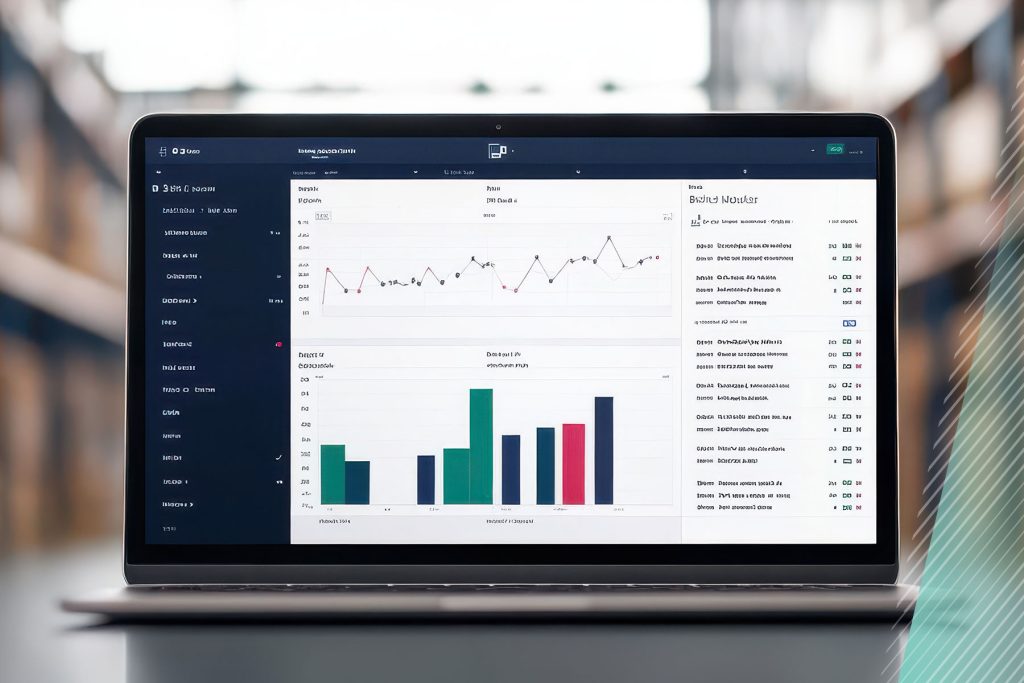
What is Demand forecasting? Demand forecasting helps small retailers predict what customers will buy and when. By using data, you can avoid stockouts, reduce waste, and prepare for seasonal trends. Learn how forecasting tools can optimize your inventory and boost your store’s success.
Why Demand Forecasting Matters for Small Businesses
Balancing stock levels is a challenge for many local store owners. The problem is a simple one: keeping too little of a staple product on-hand is a surefire way to irritate customers and lose business, but holding onto too much creates storage issues (and, in the case of perishables, product waste).
Winter holidays, the annual back-to-school shopping frenzy, and even hot social media trends all affect consumer demand, and can leave the average corner store struggling to maintain this delicate balance without a good forecasting process in place.
Forecasting allows businesses to better serve customers by proactively readying for changes in buying habits (as opposed to always reacting to products suddenly in low supply). And here’s the good news — you don’t need to be a big-box chain with a dedicated analytics department to implement some basic forecasting systems.
Common Mistakes Retailers Make Without Demand Forecasting
Relying on Gut Instinct Over Data
Many independent retailers still use guesswork to reorder products—basing decisions on what “feels” low or what sold last month. But what worked last month might not reflect future demand, especially if factors like weather, holidays, or events played a role.
Sales Data ≠ Forecasting
Simply pulling a sales report doesn’t give a complete picture. Demand forecasting combines historical data with trend analysis to help you plan ahead—avoiding costly over- or under-ordering.
But here’s the rub: in each case, these methods assume current sales data is a reflection of future demand. That’s problematic for stores looking to prepare, rather than just reacting to demand as it evolves. In simple terms, just because you sold 100 units of soda last month doesn’t mean you’ll sell 100 again this month — especially if last month included a big summertime holiday or unusually warm weather.
Experience counts, but it shouldn’t be the only thing guiding purchase orders. Without hard data, stores run the risk of missing out on sales and tying up capital in unnecessary inventory. Forecasting offers a smarter alternative; one that both anticipates patterns and supports a store owner’s instincts with real-time information.
Forecasting Tools Are More Accessible Than You Think
You don’t need expensive software or a data analyst to get started. Modern POS systems already include basic forecasting tools that can:
-
Set and monitor par levels for popular items
-
Auto-generate purchase orders when inventory dips
-
Track vendor catalogs and simplify reordering
Automated reordering can save hours of manual inventory checks, emails, and spreadsheet work.
These systems can also be “taught” to recognize seasonal fluctuations via advanced pattern recognition. A POS equipped with forecasting tools might raise par levels for certain products in October in preparation for Thanksgiving, then scale them back as demand drops off. Over time, the system can learn your specific store’s various demand rhythms and create orders accordingly.
Data Accuracy Is the Key to Reliable Forecasting
Clean In, Clean Out
Forecasting is only as good as the data you put in. Many forecasting problems stem from disorganized inventory data—duplicate SKUs, misspelled items, or unlabeled backstock.
Adopting a “clean in, clean out” strategy ensures your data stays accurate. This means:
-
Every item is scannable and properly labeled
-
Product categories are clearly defined
-
Inventory counts are regularly updated
Forecasting for Seasonal Demand
Depending on your location, seasons could mean the start of the school year, local festivals, religious holidays, or even monthly government benefit cycles. Whatever the “seasons” might be for your store, forecasting helps to prepare and adjust orders to ensure your customers can find what they need when they need it.
Demand forecasting tools are also adaptable — maybe more people are expected to travel this summer, or prices of certain staple goods have changed, or a competitor recently opened nearby. Forecasting tools help you factor in these changes, as well as multiple years of data (excluding outliers like 2020) to form more accurate projections.
Final Thoughts: Start Small and Scale Up
You don’t need to be a data scientist to use forecasting tools. With the right POS system, you can start today by:
- Identify high-traffic SKUs and set par levels.
- Clean up important vendor contacts
- Digitize ordering
- Schedule regular inventory reviews for key seasonal categories (e.g. drinks in the summer, baking goods before holidays)
The more you use the system, the better it gets. And once you understand what demand forecasting is, you’ll never go back to guessing again.
Enhance Your Point of Sale System to Take Advantage of This Useful Feature
Unsure of how to get started with upgrading your current POS system? CHEXIT, a brand of goEBT, offers POS solutions for busy merchants just like you. Contact us today to learn how we can help with demand forecasting.